






Hochwertige Dentalfotografie ist seit langem ein Standard in der modernen Zahnmedizin. Sie ist unerlässlich für die Falldokumentation, Patientenkommunikation, Konsultationen mit Kollegen und die Behandlungsplanung. Während professionelle Kameras nach wie vor der Goldstandard sind, werden Smartphones dank ihrer Zugänglichkeit und Bequemlichkeit zu immer beliebteren Werkzeugen.
Warum ein Smartphone in der Zahnmedizin verwenden?
Moderne Smartphones sind immer griffbereit und ermöglichen es Ihnen, klinische Fälle schnell zu erfassen und Bilder sofort mit Laboren oder Kollegen zu teilen. Für viele Routineaufgaben – von Vorher-Nachher-Fotos bis zur Dokumentation von Behandlungsphasen – ist die Kameraqualität eines Top-Smartphones mehr als ausreichend.
Welche Kameraspezifikationen sind wirklich wichtig?
Auflösung: Mehr ist nicht immer besser
Viele glauben fälschlicherweise, dass mehr Megapixel bessere Ergebnisse bedeuten. Für die Dentalfotografie sind 12-48 MP optimal. Dies bietet ausreichend Details, aber übermäßige Megapixel können bei schlechten Lichtverhältnissen zu „rauschigen“ Bildern führen.
Empfohlene Modelle:
- iPhone 15 Pro / 16 Pro (48 MP Hauptkamera)
- Samsung Galaxy S24 Ultra (200 MP mit 12/50 MP Aufnahmemodi)
- Google Pixel 8 Pro (50 MP)
Makrofotografie – Ein entscheidendes Merkmal
Die Fähigkeit zur Makrofotografie ist für die Dentalfotografie entscheidend. Sie müssen Details einzelner Zähne aus einer Entfernung von 10-15 cm klar erfassen können.
Ein dedizierter Makromodus ist verfügbar in:
- iPhone 13 Pro und neuer (Autofokus ab 2 cm)
- Samsung Galaxy S21 Ultra und neuer
- Xiaomi 13 Pro

Das Hauptgeheimnis hochwertiger Dentalfotografie
Doch selbst das teuerste Smartphone-Kamerasystem garantiert keine guten Ergebnisse. Es gibt einen Faktor, der die Bildqualität weitaus stärker beeinflusst als die Megapixelzahl oder die optische Stabilisierung.
Beleuchtung – Die Grundlage von allem
In der Fotografie gibt es eine Grundregel: Licht bestimmt die Bildqualität zu 80%. Eine Kamera ist lediglich ein Werkzeug, um Licht einzufangen. Je besser die Szene beleuchtet ist, desto besser wird das Ergebnis sein.
Warum ist dies in der Zahnmedizin besonders kritisch?
Die Mundhöhle ist eine dunkle Umgebung. Selbst bei geöffnetem Mund dringt natürliches Licht kaum hinein. Der integrierte Blitz eines Smartphones erzeugt harte Schatten, Spiegelungen auf feuchten Oberflächen und verfälscht die Gewebefarbe. Dies führt dazu:
- Details gehen in Schatten verloren
- Zahnschmelz- und Zahnfleischfarbe erscheinen unnatürlich
- Blendungen auf Speichel und Metallstrukturen ruinieren die Aufnahme
- Eine genaue Farbbestimmung für Restaurationen wird unmöglich

Die Lösung: Professionelle Beleuchtung
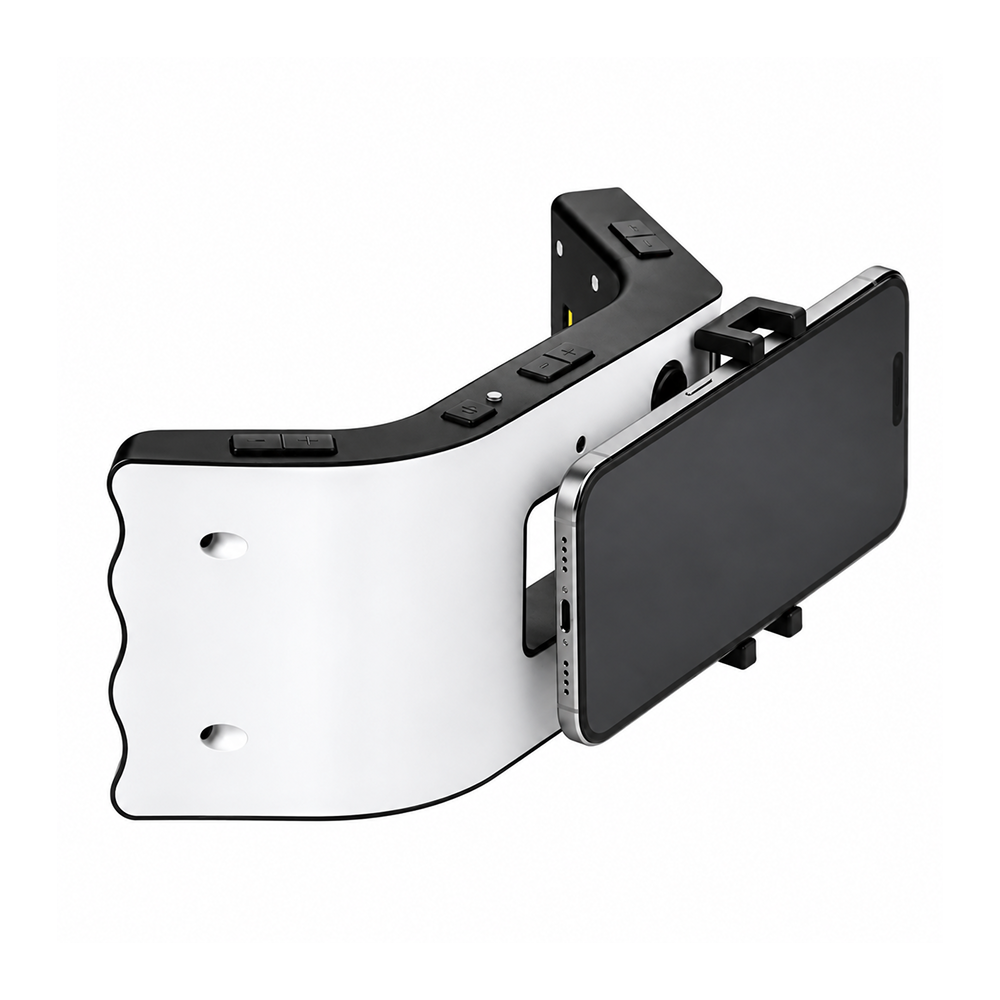
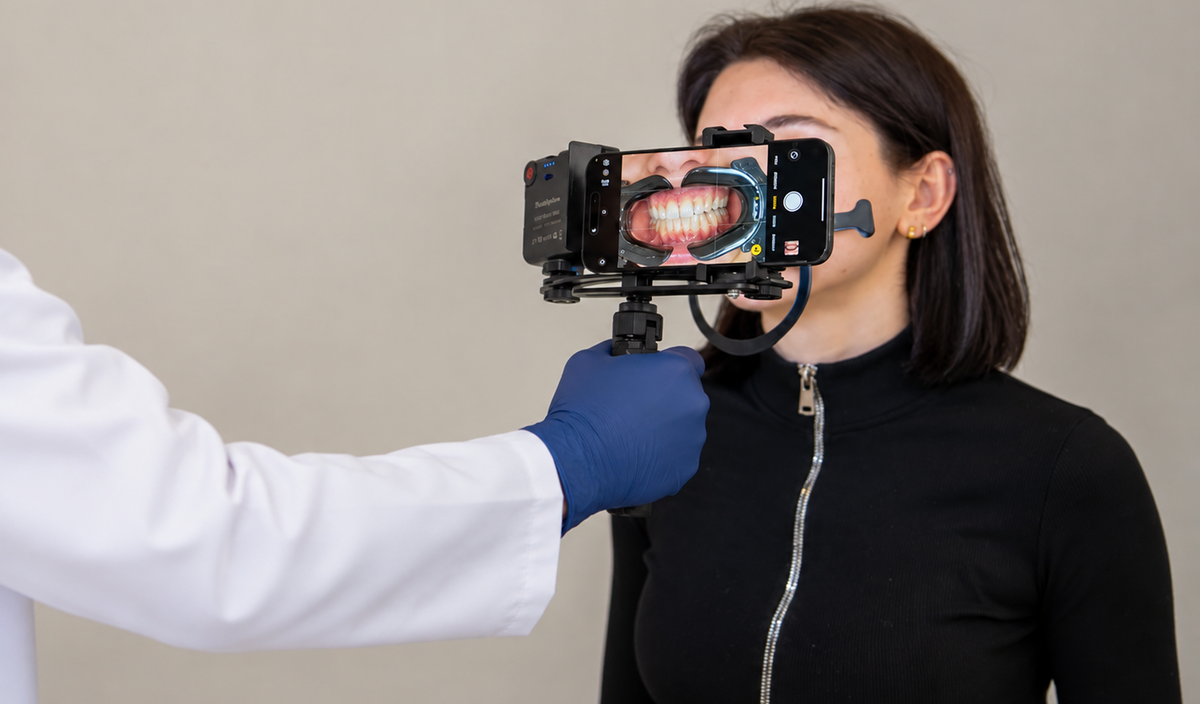
Professionelle dentale Beleuchtungssysteme, wie Ringblitze oder LED-Smartphone-Aufsätze, bieten:
- Gleichmäßige Ausleuchtung ohne harte Schatten
- Genaue Farbwiedergabe (CRI >90), entscheidend für die Farbanpassung
- Ausreichende Helligkeit für kurze Belichtungszeiten (eliminiert Bewegungsunschärfe)
- Kontrollierte Lichtrichtung zur Darstellung von Textur und Relief
Mit qualitativ hochwertiger Beleuchtung erzielt selbst ein Mittelklasse-Smartphone bessere Ergebnisse als ein Flaggschiff ohne zusätzliche Beleuchtung.
Praktische Tipps zur Smartphone-Auswahl
Wenn Sie ein Smartphone für die Dentalfotografie verwenden möchten, achten Sie auf:
1. Manueller Aufnahmemodus
Die Möglichkeit, ISO, Belichtungszeit und Weißabgleich zu steuern, ermöglicht die Anpassung an dentale Lichtverhältnisse.
2. RAW-Format
Die Aufnahme im RAW-Format bietet mehr Flexibilität bei der Nachbearbeitung, insbesondere bei Weißabgleich und Belichtungskorrektur.
3. Stabilität der Farbgenauigkeit
iPhones zeigen traditionell stabilere und vorhersehbarere Farbwiedergabeergebnisse, was für die medizinische Dokumentation wichtig ist.
4. Zubehörkompatibilität
Prüfen Sie, ob Adapter für die Montage professioneller dentaler Beleuchtung an Ihr Smartphone-Modell erhältlich sind.

Die optimale Kombination: Smartphone + Professionelles Licht
Die beste Strategie für Zahnärzte, die qualitativ hochwertige Bilder wünschen:
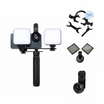
Mittelklasse- oder Flaggschiff-Smartphone (iPhone 14 Pro und neuer, Samsung S23/S24, Google Pixel 7/8) + spezialisierte dentale LED-Beleuchtung mit Smartphone-Halterung.
Diese Kombination bietet Ihnen:
- Professionelle Bildqualität
- Mobilität und Bequemlichkeit
- Schnelle Datenübertragung
- Angemessene Kosten (deutlich günstiger als ein professionelles DSLR-System mit Makroobjektiv und Ringblitz)
Fazit
Bei der Wahl eines Smartphones für die Dentalfotografie denken Sie daran: Die Kamera ist wichtig, aber das Licht ist wichtiger. Jagen Sie nicht nach maximalen Megapixeln. Es ist besser, ein zuverlässiges Smartphone mit guten Makro-Fähigkeiten und manuellen Einstellungen zu wählen und das Hauptbudget in ein hochwertiges Beleuchtungssystem zu investieren.
Professionelle Beleuchtung verwandelt Ihr Smartphone in ein vollwertiges medizinisches Dokumentationswerkzeug, und qualitativ hochwertige Bilder verbessern die Patientenkommunikation und heben Ihre Praxis hervor.
Denken Sie daran: In der Dentalfotografie ist Technologie ein Werkzeug, aber Beleuchtung ist die Kunst, die Ihre Bilder wirklich informativ und professionell macht.