









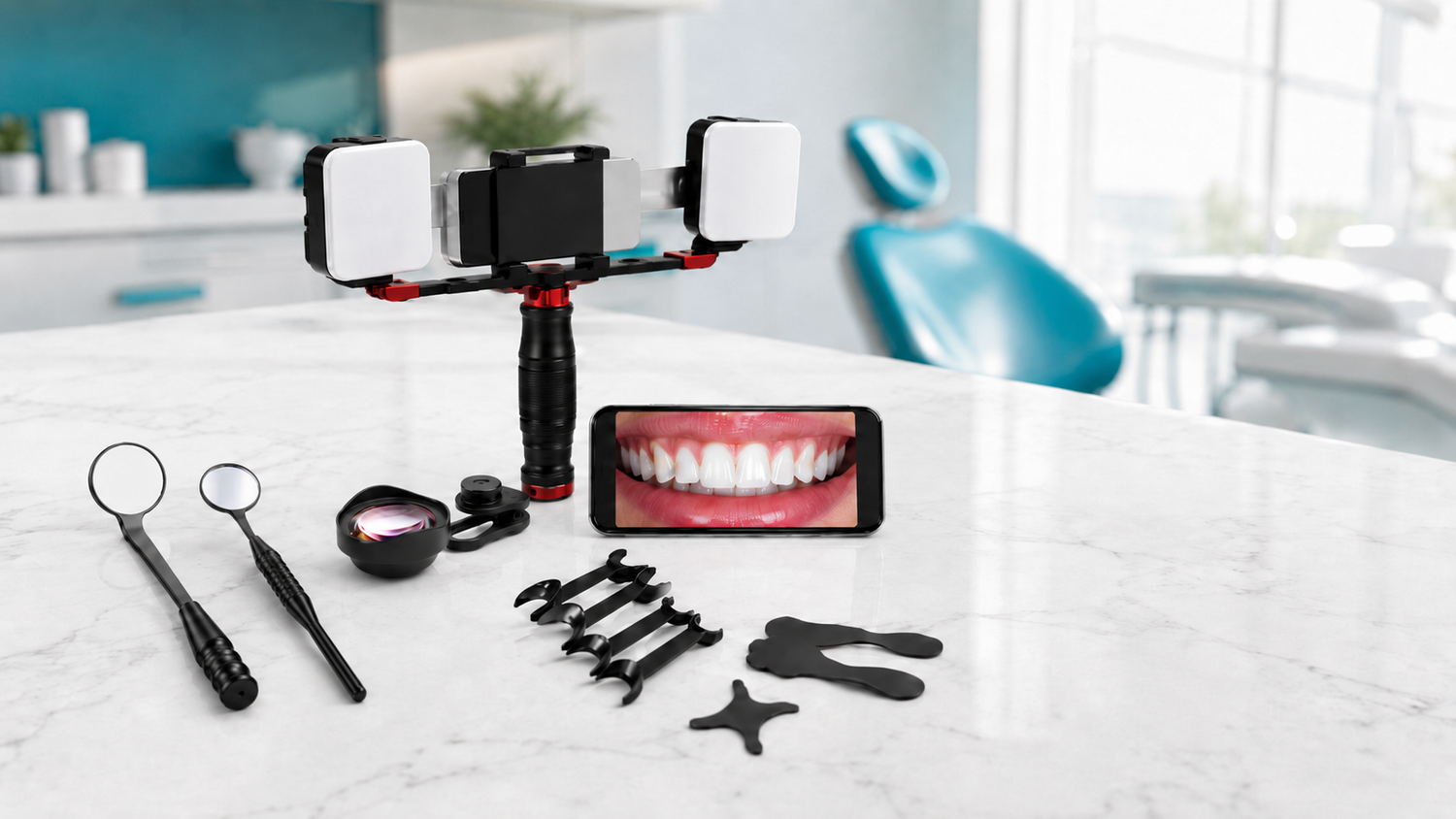
Zwei Zahnärzte, die gleichen Fähigkeiten und die gleichen Preise – der eine ist auf Wochen ausgebucht, der andere hat Lücken. Im Jahr 2026 ist der Unterschied selten klinisch. Es ist die Frage, ob der Zahnarzt seine Arbeit zeigen kann: scharfe Vorher-Nachher-Bilder, ehrliche Fallfotos, Inhalte, denen Patienten vertrauen und die sie teilen. Diese eine Gewohnheit steigert die Fallakzeptanz, Überweisungen und neue Patienten von Instagram und Google.
Die gute Nachricht: Sie brauchen keine 2.000-Dollar-DSLR-Ausrüstung. Ein modernes Smartphone und fünf preiswerte Zubehörteile liefern Ihnen klinisch hochwertige Bilder. Dieser Leitfaden führt Sie durch die fünf wichtigen Tools – was jedes einzelne leistet, worauf Sie beim Kauf achten müssen und drei Optionen für verschiedene Budgets.
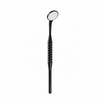
1. Intraorale Spiegel – um zu fotografieren, was man nicht direkt sehen kann
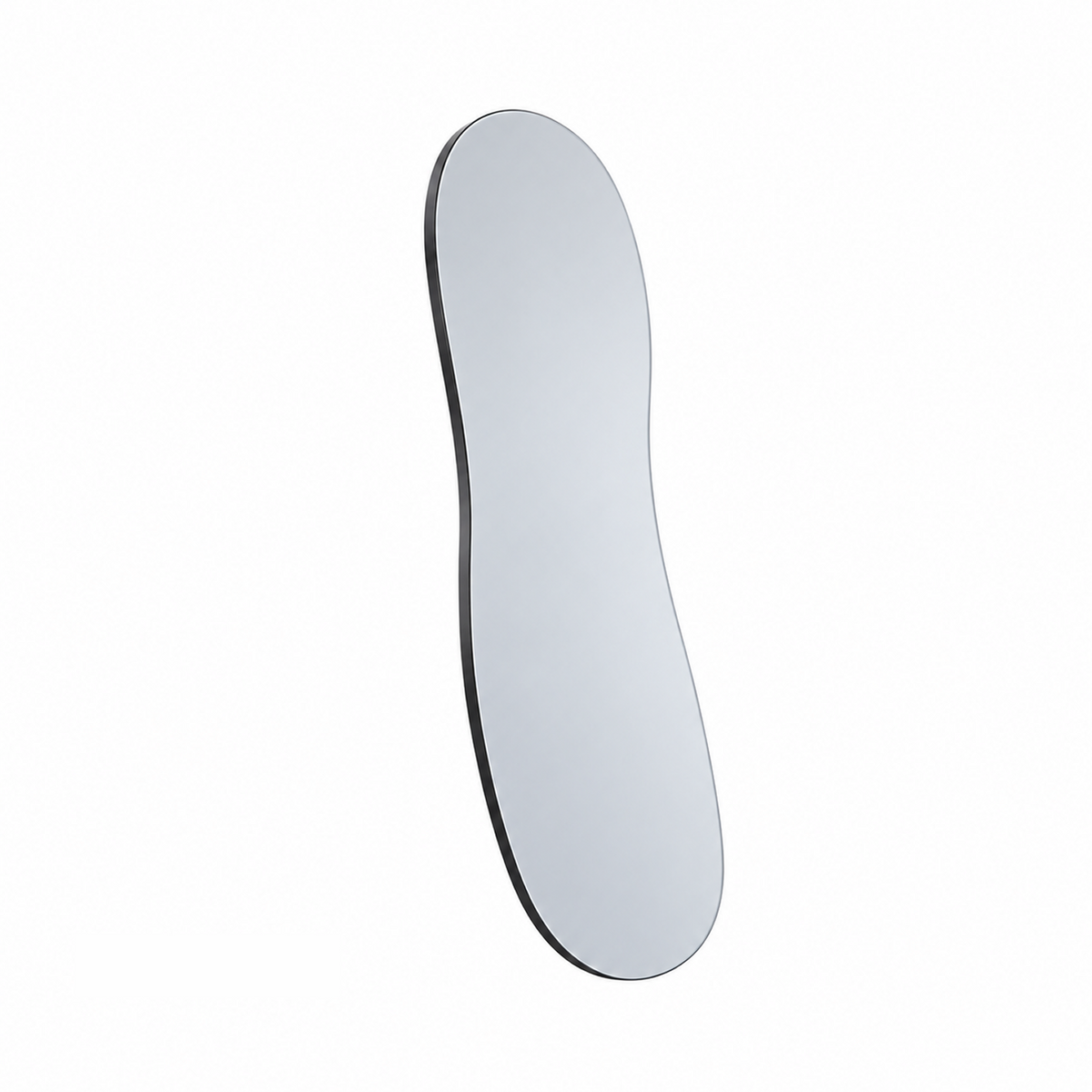
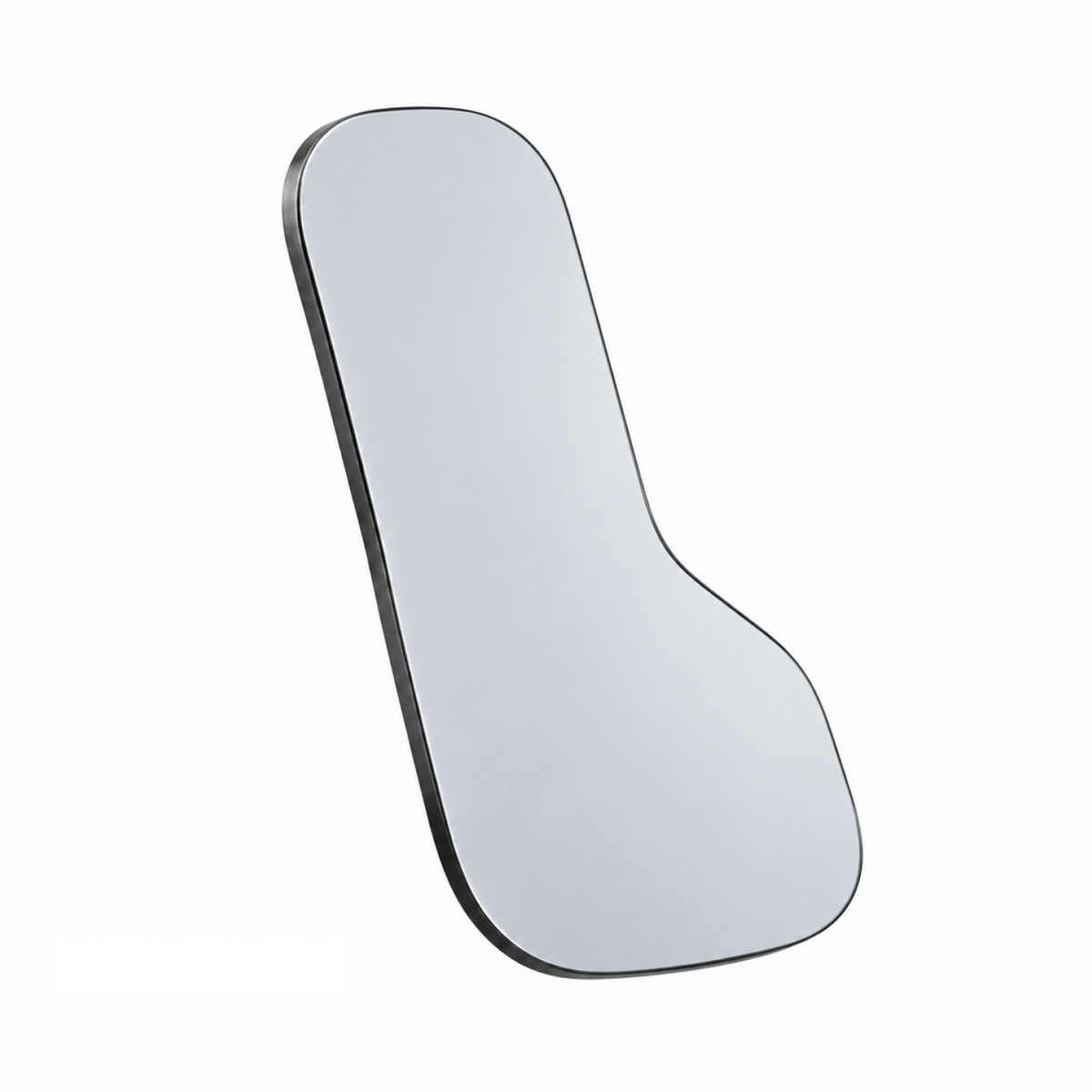
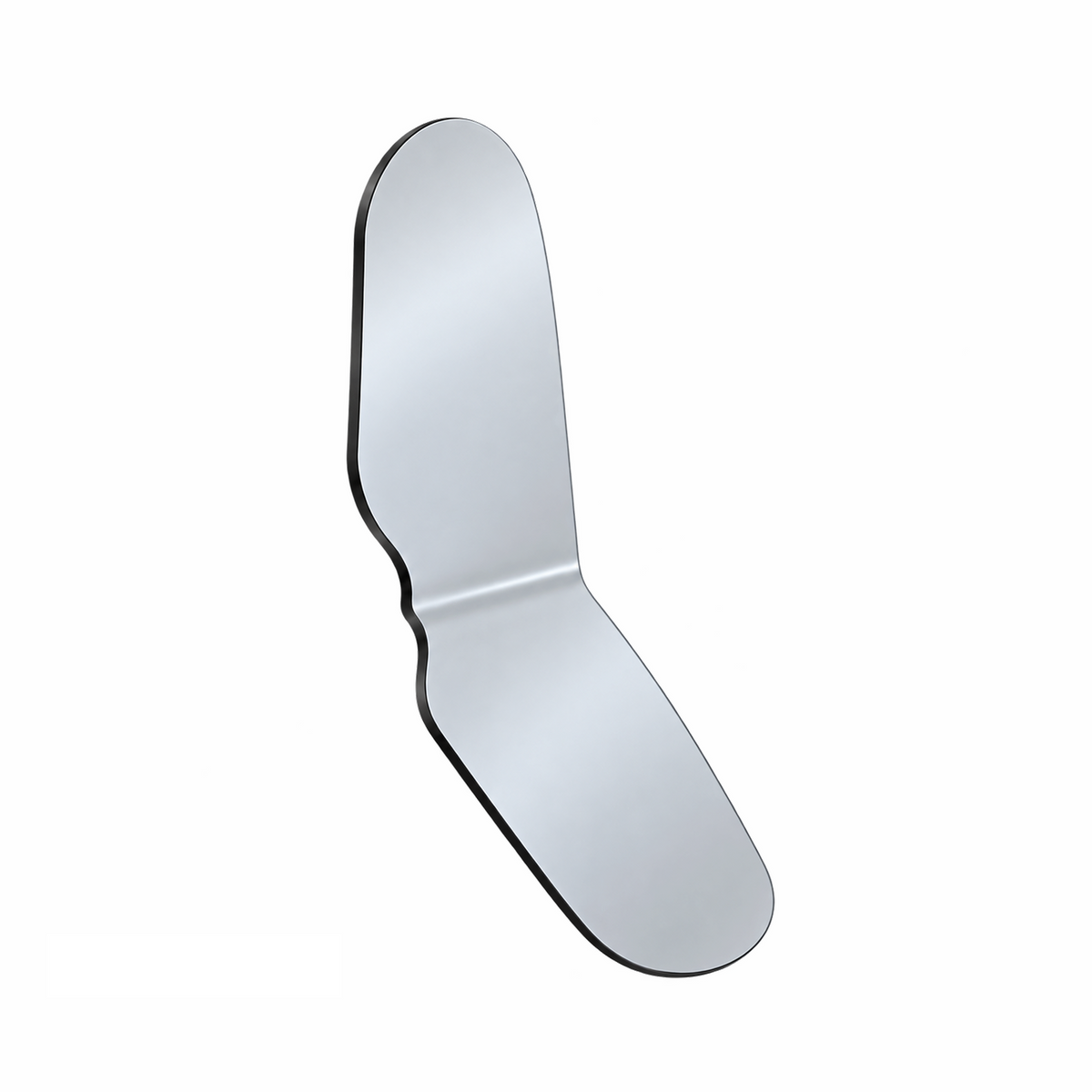
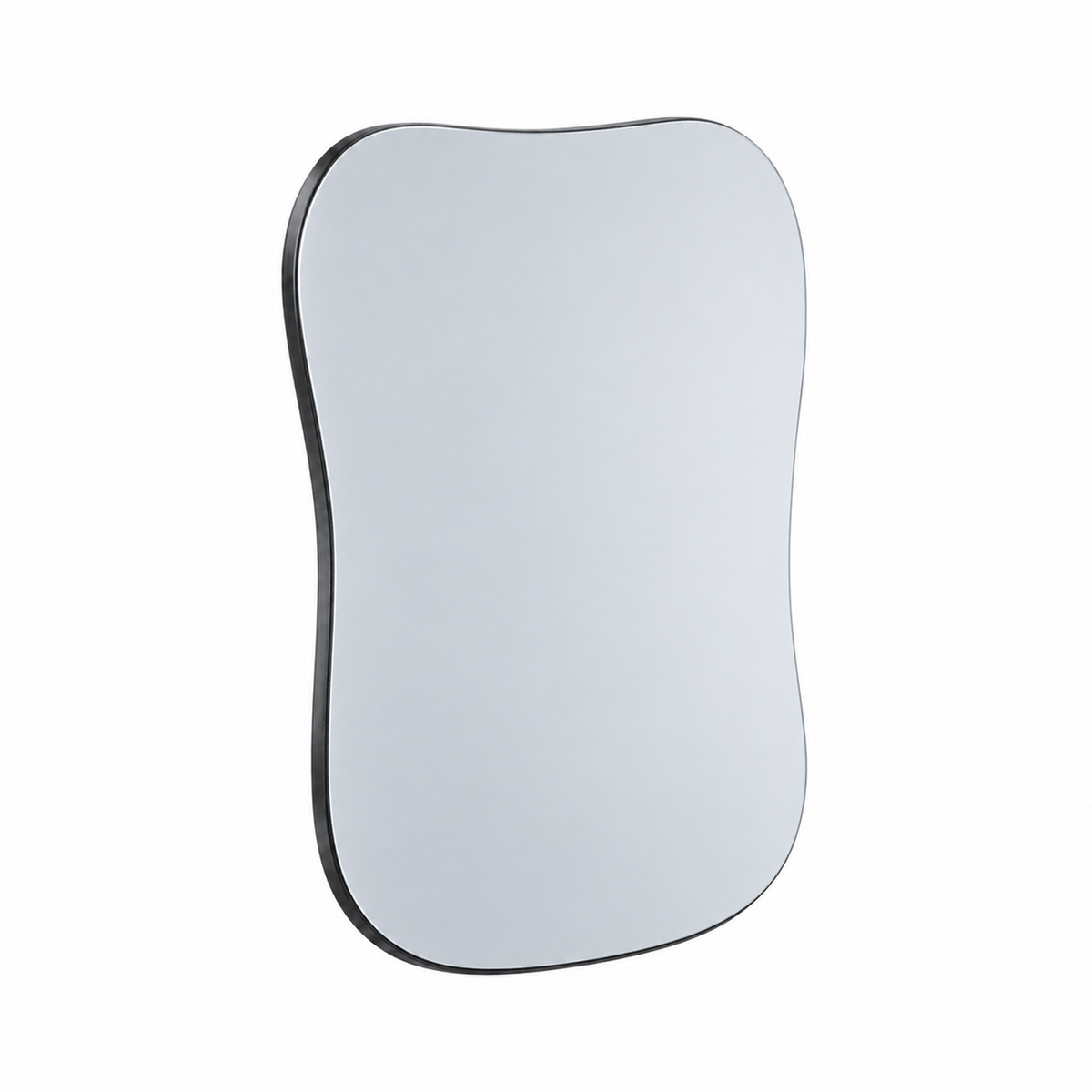
Okklusale (Kauflächen-) und linguale Ansichten sind unmöglich direkt zu fotografieren – die Kamera kann physisch nicht dorthin gelangen. Ein Spiegel reflektiert das Bild zurück zur Linse. Aber die Spiegelqualität macht oder bricht das Bild:
- Geisterbilder: Billige doppelseitige Spiegel erzeugen eine schwache zweite Reflexion, die jedes Detail verwischt. Ein Frontflächenspiegel liefert ein klares Bild.
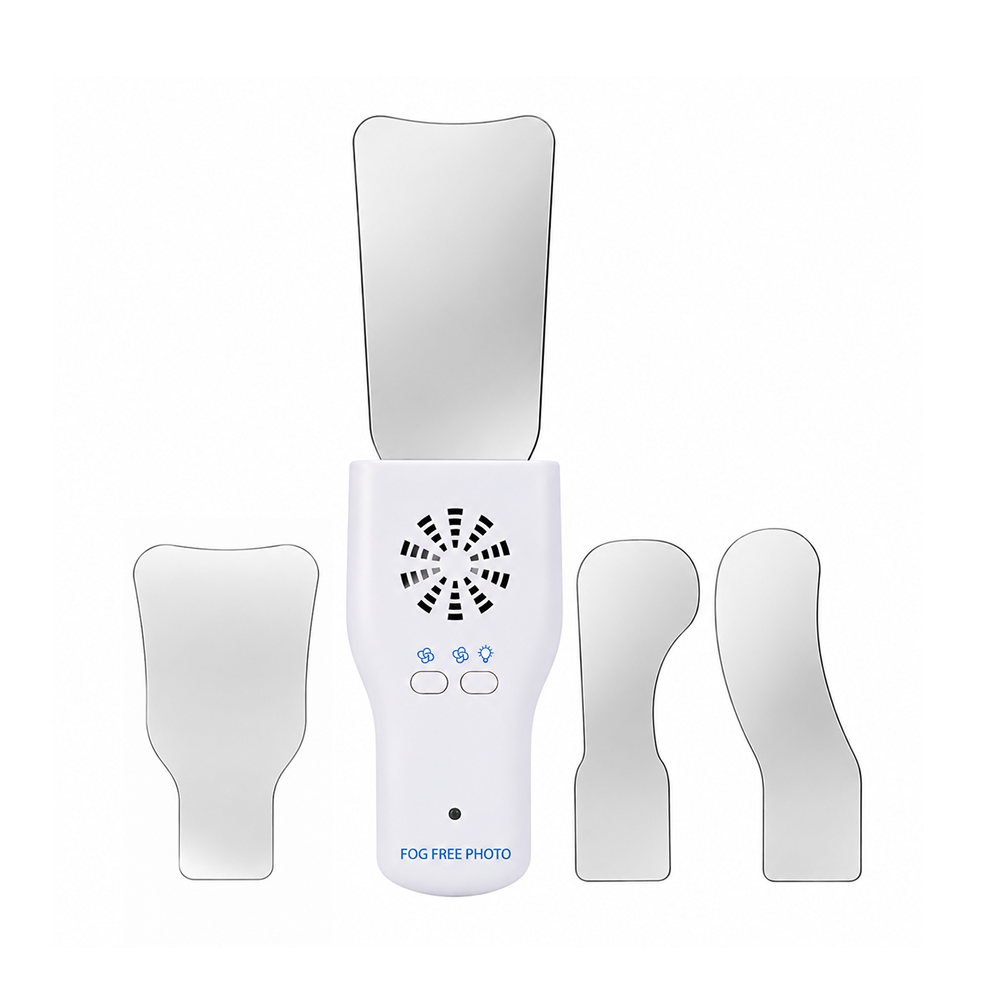
- Beschlag: Der warme Atem des Patienten kondensiert in Sekundenschnelle auf dem Spiegel. Bei hohem Volumen spart ein beschlagfreier (Lüfter-/beheizter) Spiegel ständige Neuaufnahmen.
- Farbe & Blendung: Eine hochreflektierende, entspiegelte Beschichtung sorgt für eine farbgetreue Wiedergabe – entscheidend für die restaurative Dokumentation.
Worauf zu achten ist: Vorderfläche, 95%+ Reflexionsvermögen, Antireflexionsbeschichtung, autoklavierbar. Wenn Sie den ganzen Tag fotografieren, fügen Sie eine Antibeschlagfunktion hinzu.

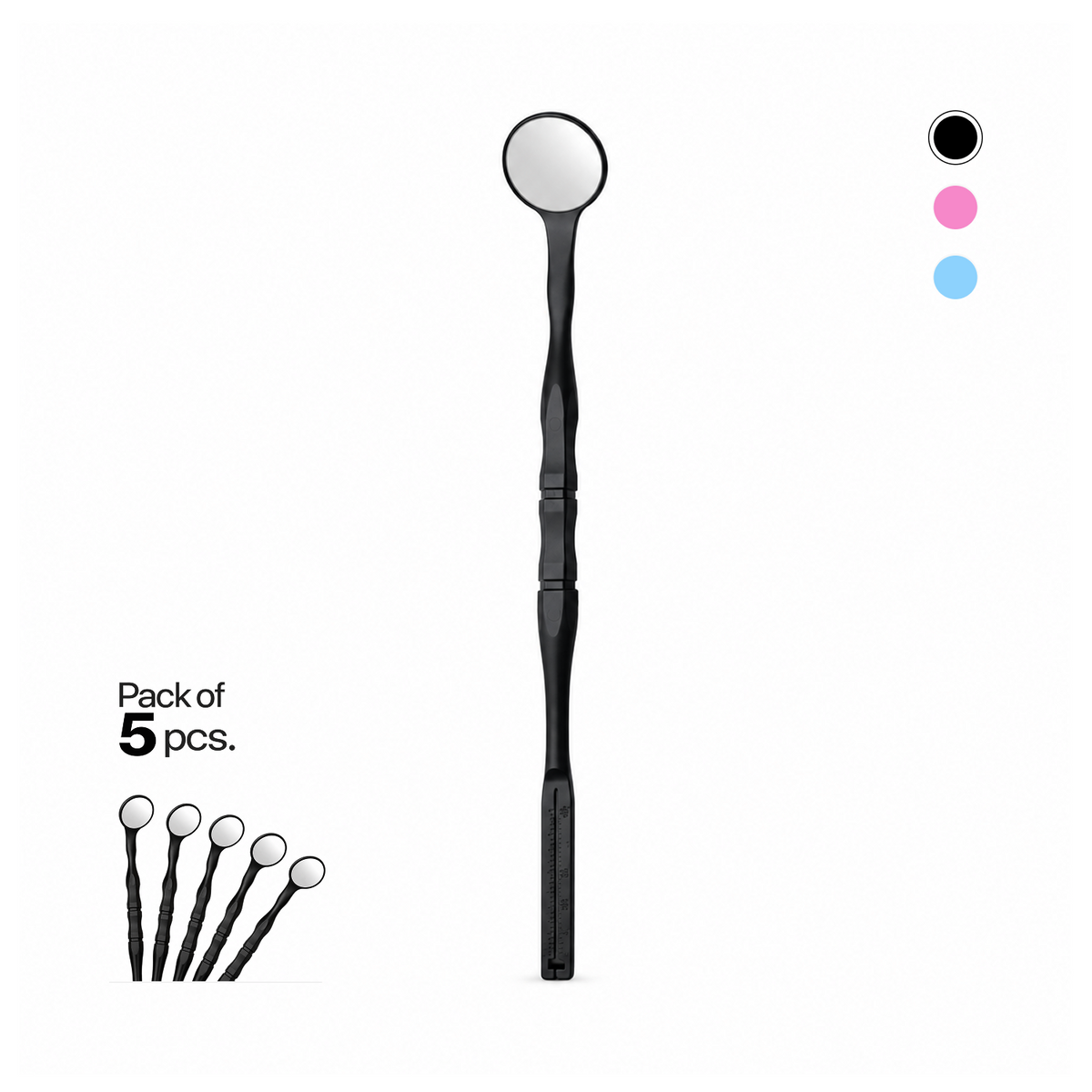
UltraClear Dentalspiegel — Black Line, 24 mm
Antireflexionsbeschichteter, autoklavierbarer Edelstahlspiegel mit echter 1:1-Farbe und ohne Geisterbilder. Das günstigste einzelne Upgrade für schärfere Fotos.

Ultra HD Reflector Pro — Kompletter Spiegel-Kit
Ein vollständiges Set an HD-Reflektorspiegeln für alle intraoralen Ansichten – hohe Reflektivität und verzerrungsfreie Farben in einer Box.

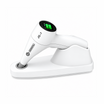
Anti-Fog Spiegel für Dentalfotografie
Integrierter Lüfter beseitigt Beschlag in ca. 5 Sekunden, Oberflächen-LED eliminiert Schatten. Enthält 4 austauschbare Spiegel (okklusal Erwachsene/Kinder, bukkal, lingual).
2. Retraktoren – um Lippen und Wangen aus dem Bild zu halten
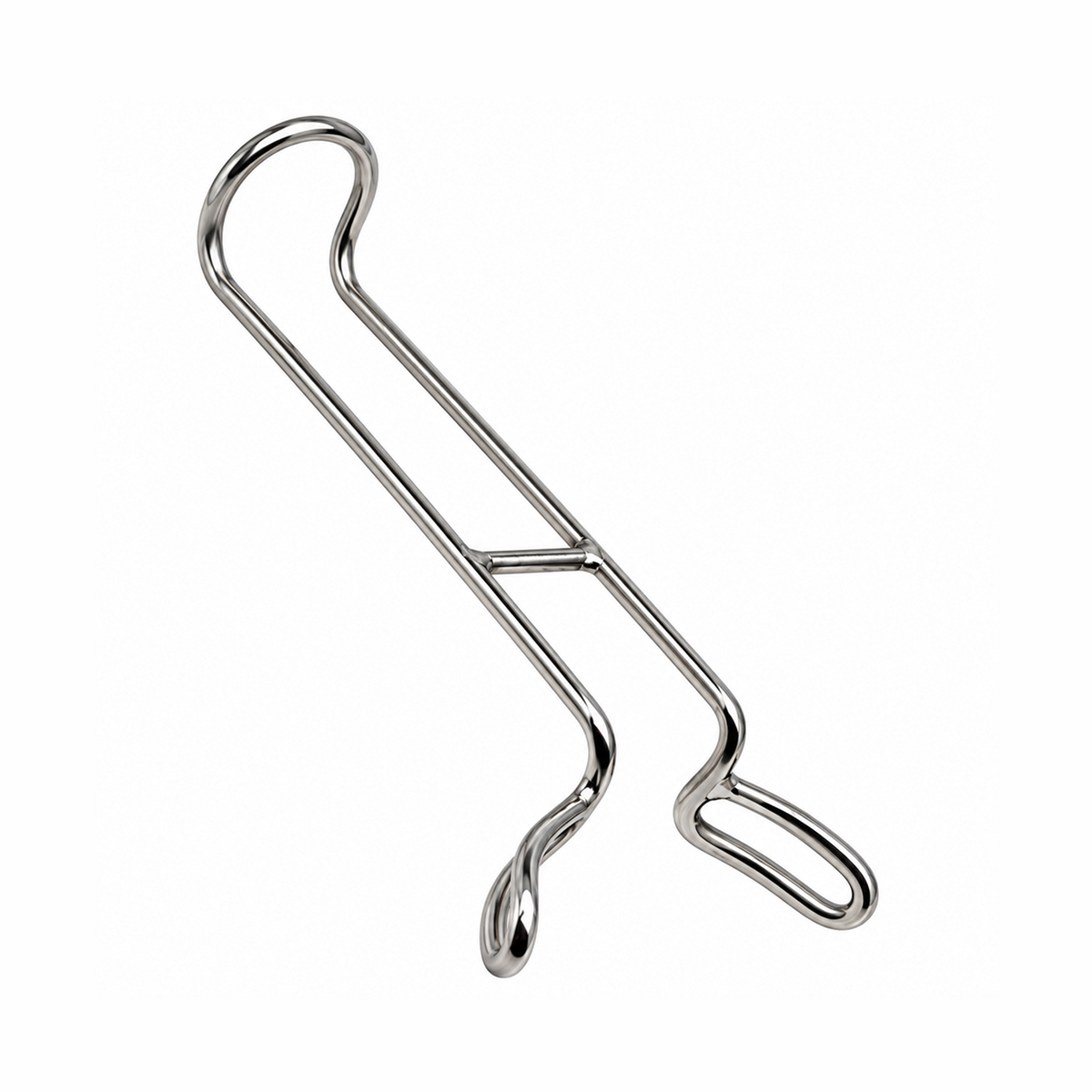
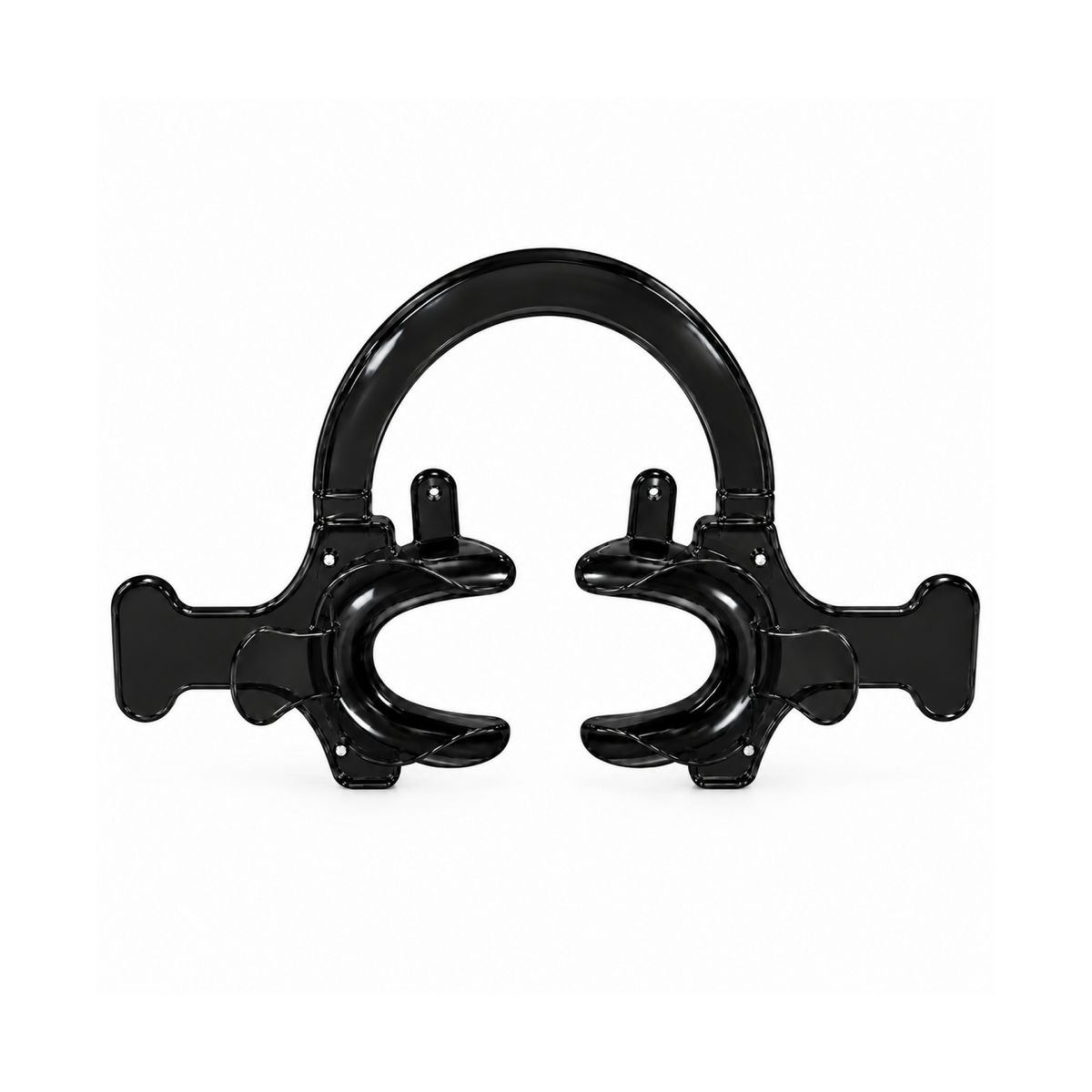
Weichgewebe ist der Feind eines sauberen Zahnfotos. Lippen und Wangen drängen sich an die Zähne und werfen Schatten. Retraktoren halten sie zurück, sodass die Bezahnung die ganze Geschichte erzählt – und verschiedene Ansichten erfordern unterschiedliche Formen: breite T-Formen für frontale Lächeln, einseitige Retraktoren für Seitenansichten und okklusale Retraktoren, die die Lippen für Spiegelaufnahmen freihalten.
Worauf zu achten ist: Ein Set, das frontale, laterale und okklusale Ansichten abdeckt; glatte, atraumatische Kanten für Patientenkomfort; autoklavierbar. Schwarze Versionen sorgen für zusätzlichen Kontrast an den Bildrändern.

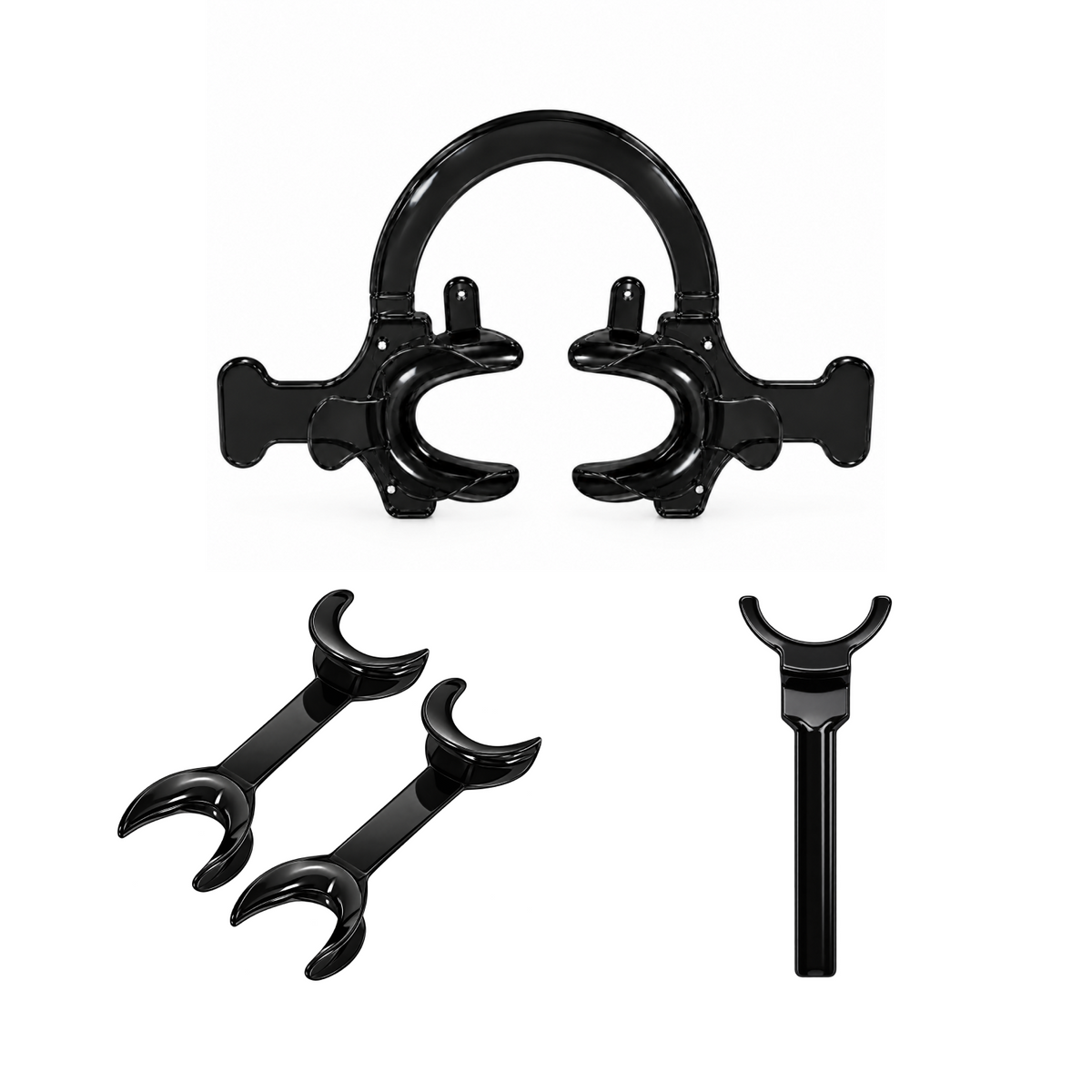
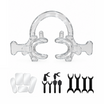
3D Dental Retraktor
Dreidimensionales Design hält Lippen und Wangen breiter und bequemer zurück als flache Retraktoren. Wiederverwendbar, autoklavierbar, einzeln oder im Set erhältlich.

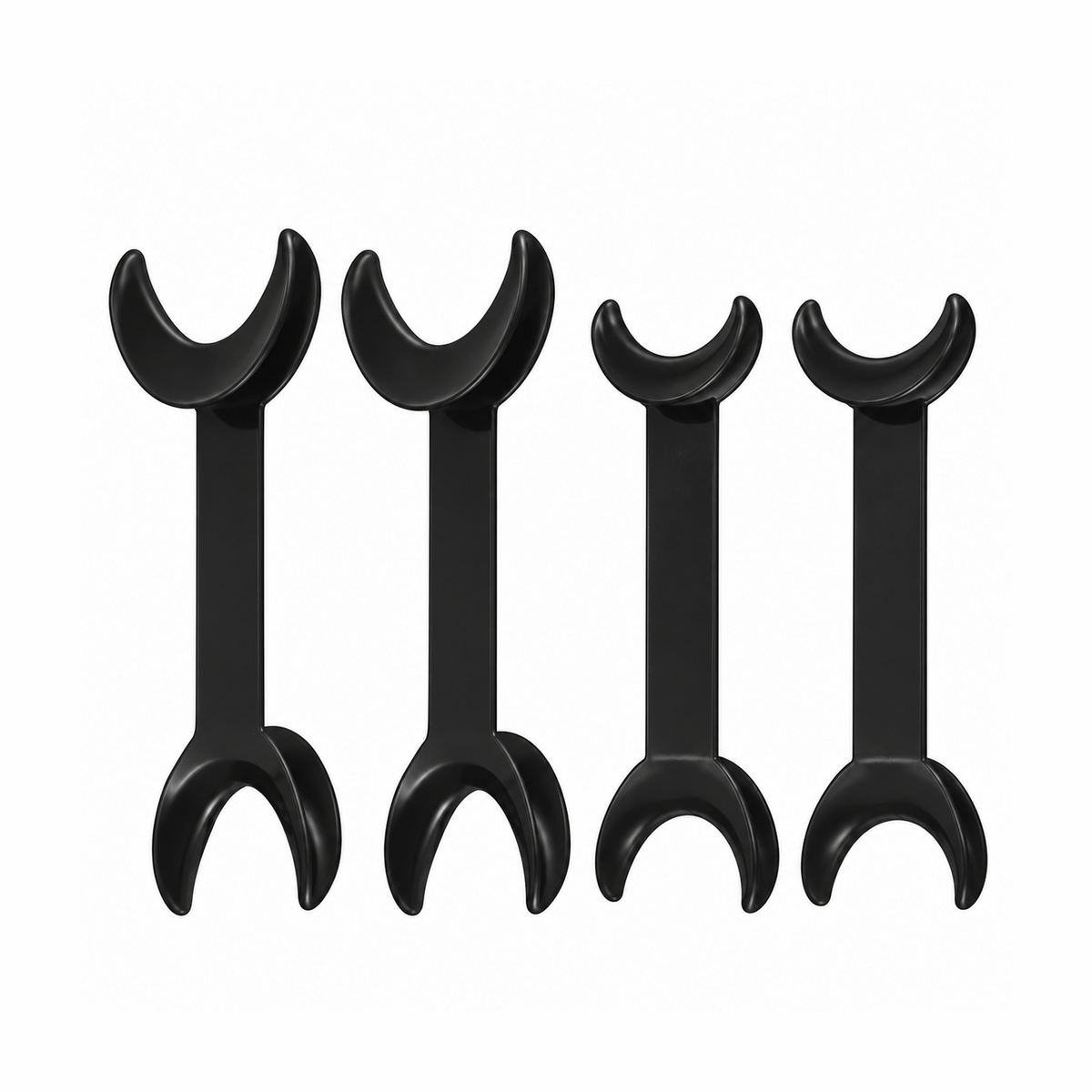
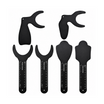
Set schwarzer T-förmiger Retraktoren — 4 Stk.
2 große + 2 kleine, schwarz für zusätzlichen Kontrast an den Bildrändern. Stabile, weite Retraktion für die frontale und laterale Lächelnfotografie.

Set von Retraktoren für die Dentalfotografie
Vier autoklavierbare Retraktoren (2× T-Form, 1× C-Form, 1× Okklusal) für frontale, laterale und okklusale Fotografie in einem Kit.
3. Optik – ein Makroobjektiv für echte Details
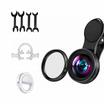
Dies ist das Teil, das die meisten Leute weglassen – und deshalb sehen Handyfotos „schief“ aus. Die eingebaute Kamera eines Telefons fügt im Nahbereich eine Tonnenverzerrung hinzu (Zähne wölben sich nach außen) und kann nicht scharf genug fokussieren, um echte 1:1-Details zu erzielen. Ein aufsteckbares Makroobjektiv korrigiert den Fokusabstand und eliminiert die Verzerrung, während ein CPL-Filter die Blendung, die von Speichel und Zahnschmelz reflektiert wird, reduziert, sodass Farbton und Textur naturgetreu wiedergegeben werden.
Worauf zu achten ist: ~100 mm Brennweite (bequemer intraoraler Arbeitsabstand), ein mitgelieferter CPL-Filter, ein Universalclip – und prüfen Sie die Kompatibilität mit Ihrem Telefonmodell.
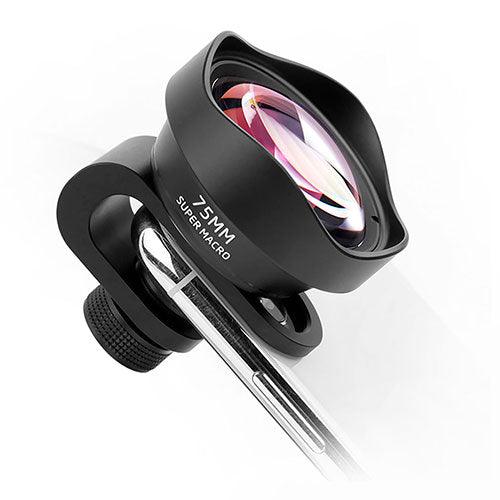
Telefon-Makroobjektiv 75 mm
4 optische Elemente mit 8-facher Antireflexionsbeschichtung für kontrastreiche Detailaufnahmen. Ein kürzerer Arbeitsabstand, ideal für Nahaufnahmen des vorderen Bereichs.
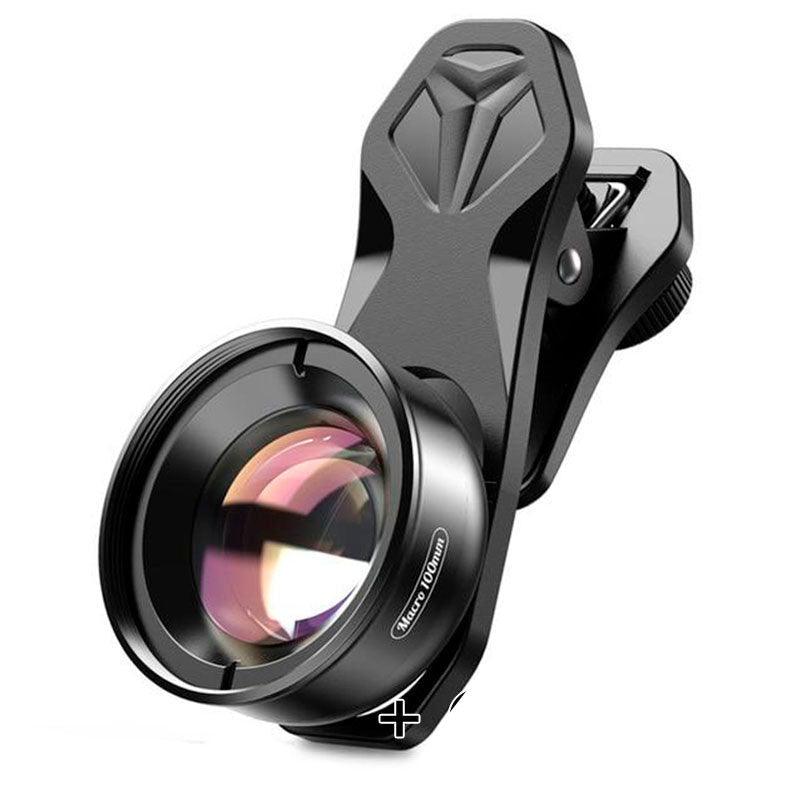
Telefon-Makroobjektiv 100 mm
Wird an jedes Smartphone geklemmt, entfernt die Tonnenverzerrung, enthält einen CPL-Filter zur Reduzierung von Blendung. Das Teil, das Handyfotos „echt-kamera“-scharf aussehen lässt.

Makroobjektiv 120 mm
Die zusätzlichen 20 mm schaffen mehr Platz zwischen Telefon und Patient – erleichtert die Positionierung von Beleuchtung und Retraktoren, gleiche scharfe Vergrößerung.
4. Beleuchtung – für schattenfreie, farbechte Aufnahmen
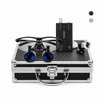
Die Overhead-Operationsleuchte ist das falsche Werkzeug für die Fotografie: Sie wirft harte Schatten in den Mund und ihre Farbtemperatur verfälscht Ihre Farbabstimmung. Eine spezielle, diffuse, tageslichtbalancierte Leuchte (5500–5600 K) sorgt für gleichmäßige Ausleuchtung und genaue Farben. Zwei Seitenlichter (ein „Twin“-Setup) eliminieren Schatten aus jedem Winkel; eine einzelne Stangen-/Ringlampe ist die einfachste Verbesserung.
Worauf zu achten ist: 5500–5600 K Tageslichttemperatur, Diffusion, einstellbare Helligkeit, wiederaufladbar – und zwei Lichtquellen, wenn Sie wirklich schattenfreie Ergebnisse erzielen möchten.

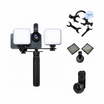
Twin Light Kit für mobile Dentalfotografie
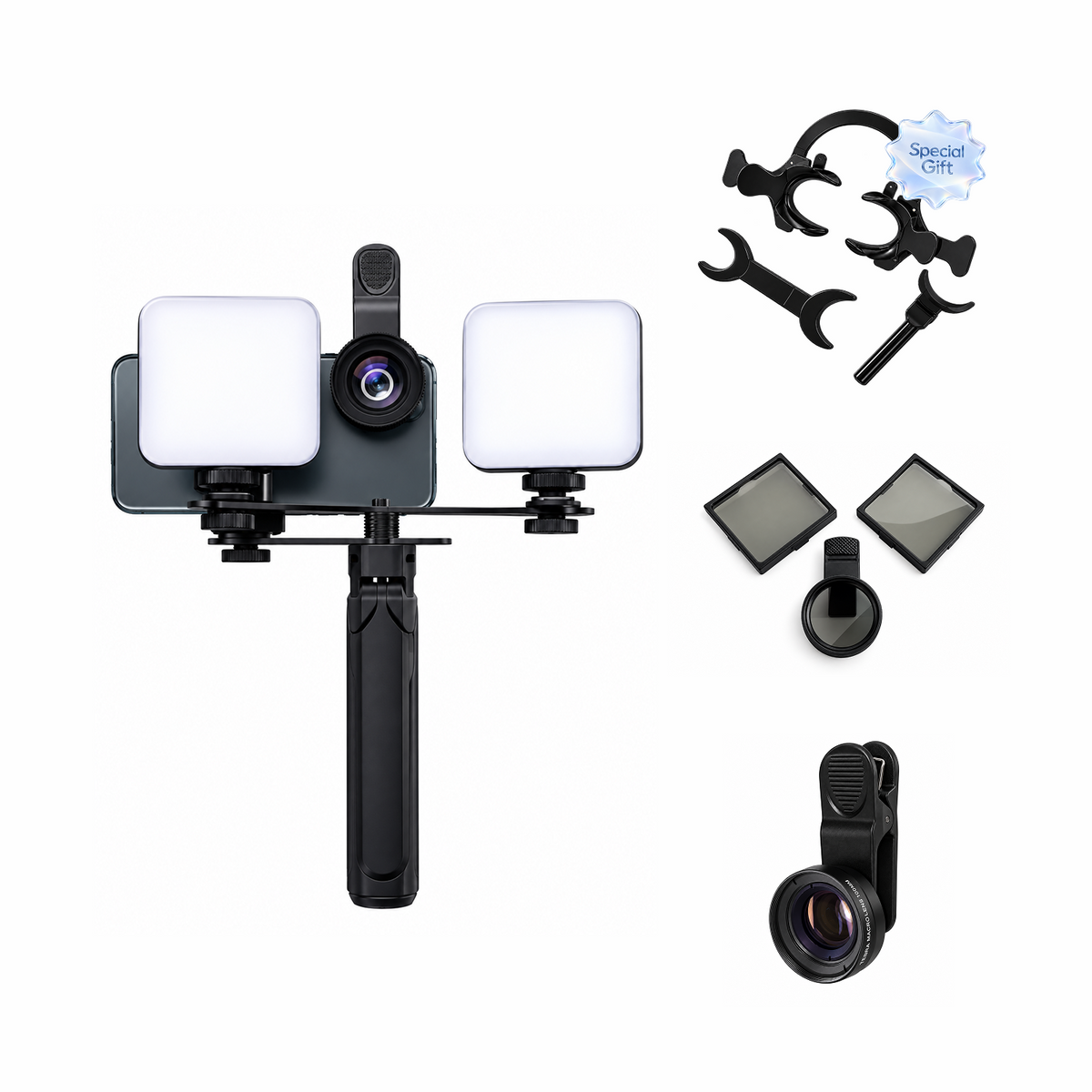
Zwei positionierbare LEDs (jeweils bis zu 6000 Lumen, 5600 K Tageslicht) entfernen Schatten aus jedem Winkel. Inklusive Telefonhalter, Diffusoren und Etui.

Ultra Light — 100 W, 5500 K
128 LED-Perlen, 100 W tageslichtausgeglichene Leistung, einstellbare Gruppen, nur 219 g. Studio-Qualität Farbkonsistenz in jedem Fall.

Dentiphoto Twin Light (mit Makro & CPL)
Duale LEDs mit einem 100-mm-Makroobjektiv und CPL-Filter – ein vollständiges Plug-and-Play-Mobilsetup für schattenfreie, farbgetreue Aufnahmen in weniger als einer Minute.
5. Kontraster – das Geheimnis hinter „veröffentlichbaren“ Fotos
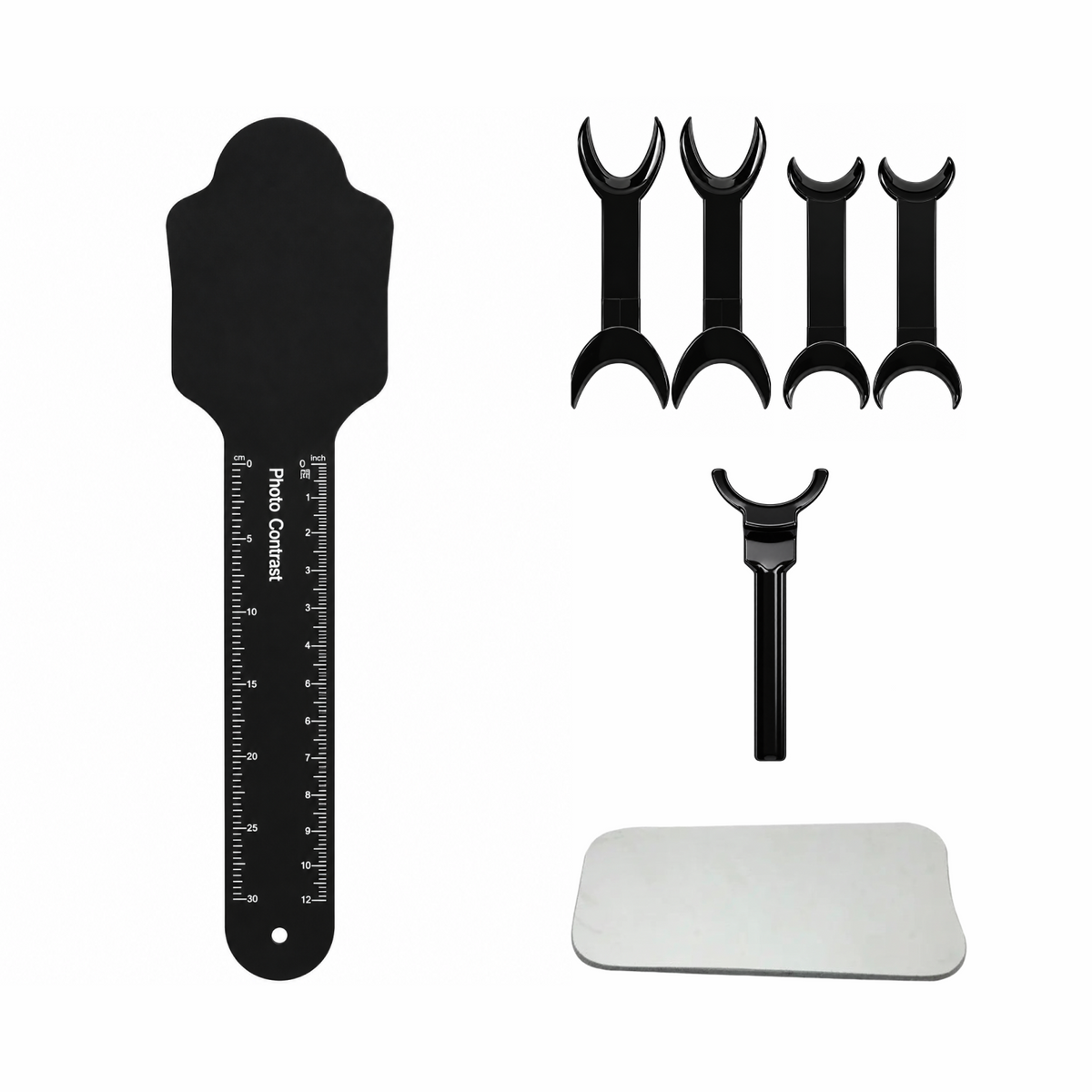
Das unterscheidet eine Momentaufnahme von einem Portfoliofoto. Selbst mit Wangenhaltern sitzen Zunge, Gaumen und Lippen hinter den Zähnen und erzeugen einen unruhigen, ablenkenden Hintergrund, der die Inzisalkante und den wahren Farbton verdeckt. Ein mattschwarzer Kontraster, der hinter den Zähnen platziert wird, isoliert diese vor einem sauberen schwarzen Feld – wodurch Restaurationen, Veneers und natürlicher Zahnschmelz sofort hervorstechen. Für den anterioren und ästhetischen Bereich ist dies unverzichtbar.
Worauf Sie achten sollten: mattes, nicht reflektierendes Schwarz; autoklavierbar; Formen für jede Zone (anterior, okklusal, lateral) – oder ein komplettes Set, damit Sie für jede Ansicht gerüstet sind.
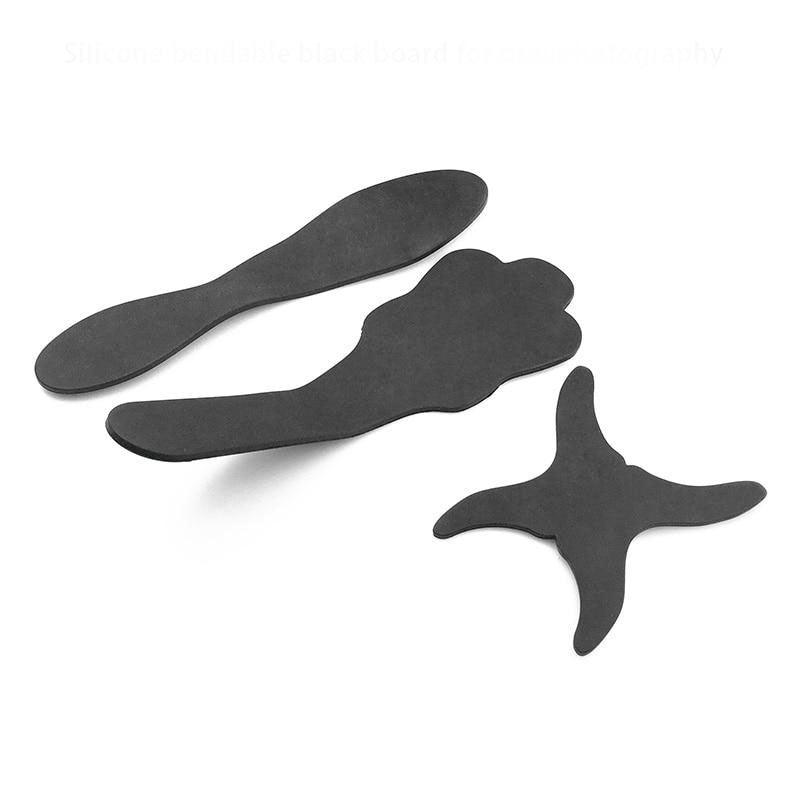
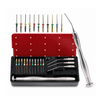
Set flexibler Silikon-Kontraster
Drei flexible Kontraster (lingual/bukkal, anterior/palatal, okklusal) aus mattschwarzem Silikon, die sich der Patientenanatomie anpassen. Volle Abdeckung, weich zum Gewebe.

Flexibler Frontkontraster
Doppelseitig (65/60 mm), um 30–45° biegbar für den perfekten Winkel hinter den Frontzähnen. Vollständig opakes Mattschwarz – keine Reflexion für saubere Lächelnaufnahmen.

Set aus 6 Metall-Kontrastern
Alle sechs Formen – Zunge, Wange, Gaumen und Lippe – für saubere schwarze Hintergründe in jeder intraoralen Ansicht. Autoklavierbares Aluminium, weich beschichtet für Komfort.
Zusammenstellung: Was zuerst kaufen
Sie müssen nicht alles auf einmal kaufen. Eine sinnvolle Reihenfolge:
- Start (~$170): Spiegel + Retraktoren + Makroobjektiv – genug für wirklich gute Fallfotos mit dem Telefon, das Sie bereits besitzen.
- Aufsteigen: Fügen Sie ein Kontraster-Set für anteriore/ästhetische Arbeiten hinzu, dann Beleuchtung für studioähnliche, schattenfreie Farben.
- Hohes Volumen: Upgrade auf den Anti-Beschlag-Spiegel, um Wiederholungsaufnahmen zu vermeiden.
Egal womit Sie anfangen, der wahre Ertrag ist nicht die Ausrüstung – es ist jeder Patient, der Ja sagt, weil er endlich gesehen hat, was Sie gesehen haben.
FAQ zur Dentalfotografie
Kann ich wirklich professionelle Ergebnisse mit einem Smartphone erzielen?
Ja. Ein Makroobjektiv, eine Tageslichtlampe und ein Spiegel/Retraktor/Kontraster decken die überwiegende Mehrheit der klinischen und Marketingaufnahmen ab. Eine DSLR ist hauptsächlich für Veröffentlichungen in Fachzeitschriften wichtig.
Was sollte ich bei knappem Budget zuerst kaufen?
Spiegel, Retraktoren und ein Makroobjektiv – insgesamt etwa 170 $ – ermöglichen Ihnen den sofortigen Start.
Sind diese autoklavierbar?
Spiegel, Retraktoren und Metallkontraster sind autoklavierbar. Elektronik (Beleuchtung und der Anti-Beschlag-Griff) wird desinfiziert, nicht autoklaviert.
Standardspiegel oder Anti-Beschlag?
Beginnen Sie mit einem Standard-Frontflächenspiegel. Wechseln Sie zu Anti-Beschlag, wenn Beschlag und Wiederholungsaufnahmen Sie verlangsamen.
Passt das Objektiv auf mein Telefon?
Das Clip-on-Makro passt auf praktisch alle iPhone- und Android-Modelle (Hinweis: nicht iPhone 13 Pro / Pro Max aufgrund des Kameramoduls).
Scharfere Fallfotos – direkt in Ihren Posteingang
Tragen Sie sich in unsere Liste ein, um kurze, praktische Tipps zur Dentalfotografie und neue Produktneuheiten zu erhalten. Kein Spam – jederzeit abbestellbar.