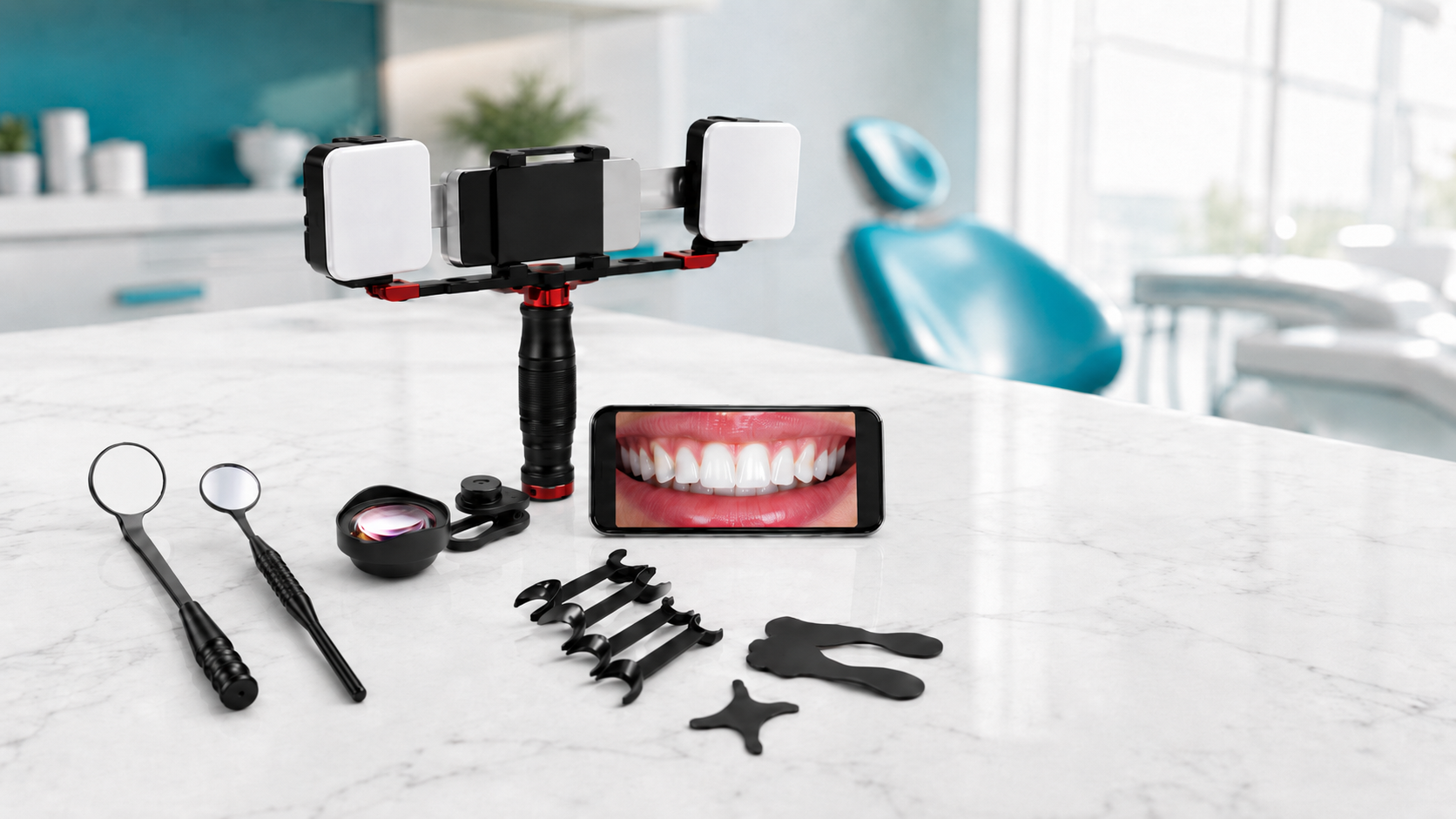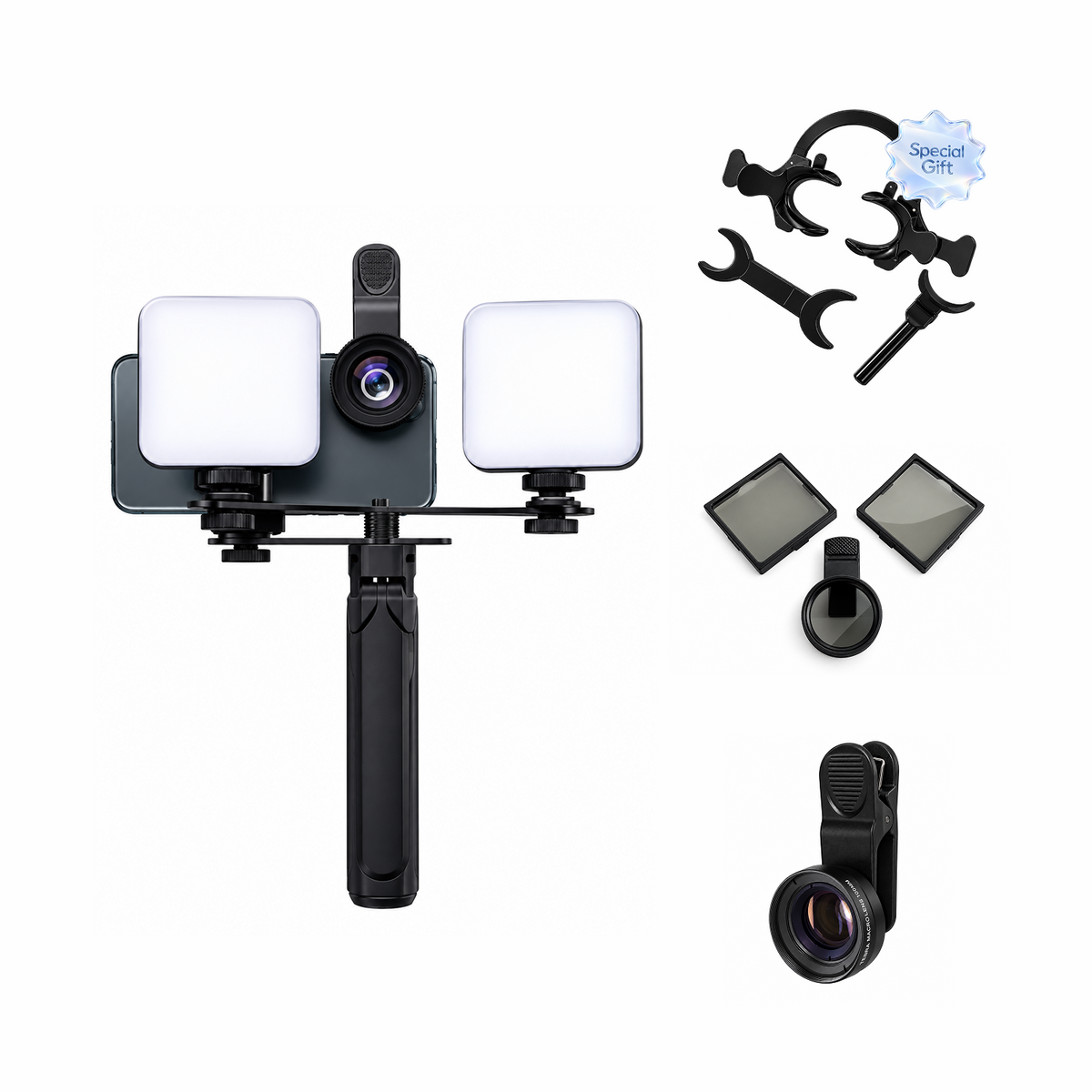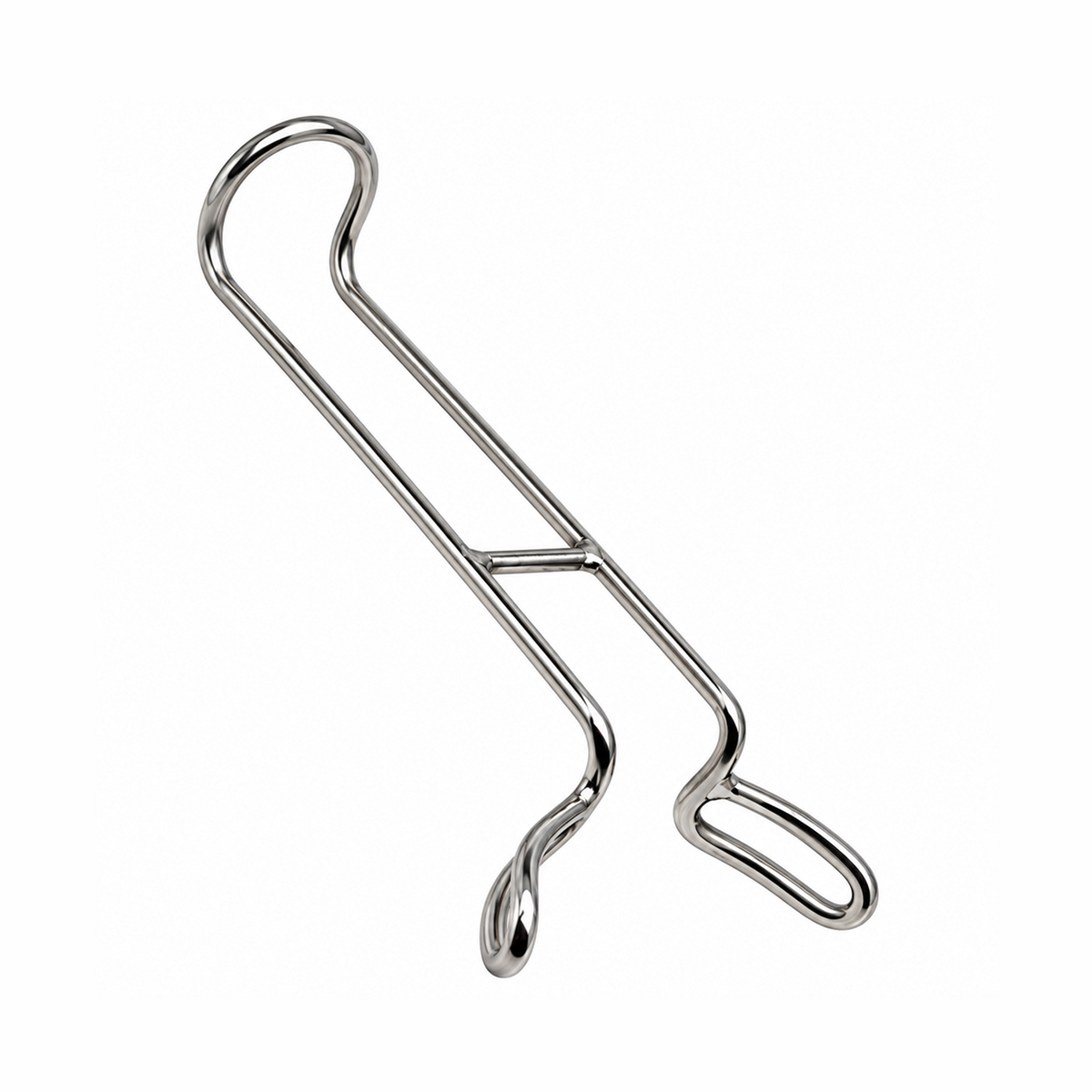








🎁 Blog readers get 15% OFF all dental photography gear. Use code BLOG15 at checkout. Now let's find your perfect camera 👇
Before diving into camera settings, lighting setups, and photo protocols, it's essential to choose the right equipment. Dental photography requires a specific set of gear that includes three key components: a camera body, a macro lens, and a macro flash. In this comprehensive guide, we'll cover everything you need to know about selecting the best camera for dental photography.
What Type of Camera is Best for Dental Photography?
For dental photography, DSLR (Digital Single-Lens Reflex) and Mirrorless cameras are the most suitable choices. These interchangeable-lens cameras offer the manual controls, macro lens compatibility, and flash synchronization essential for high-quality clinical documentation.
Why Compact Cameras and Smartphones Fall Short
Compact Digital Cameras:
- No interchangeable lens capability
- Cannot connect macro flash systems (ring flash, twin flash)
- High price comparable to entry-level DSLRs with fewer capabilities
Smartphones:
- Small sensor size limits image quality
- Lower light sensitivity and dynamic range
- Inconsistent color accuracy and white balance
- No macro flash compatibility
- Image distortion (barrel distortion) at close focusing distances
- Patient data security and compliance risks (e.g., HIPAA, GDPR) when using personal devices
While smartphone cameras have improved significantly in recent years, they still cannot match the precision, control, and consistency of dedicated camera systems for clinical documentation. However, a smartphone can serve as a temporary solution for developing the habit of documenting your work if a professional camera isn't immediately available.
DSLR vs Mirrorless Cameras for Dental Photography: Which Should You Choose?
The fundamental difference between DSLR and mirrorless cameras lies in their optical systems. Understanding these differences will help you make an informed decision for your dental practice.
DSLR Cameras (Digital Single-Lens Reflex)
DSLR cameras use a complex optical system with a mirror and pentaprism that directs light to an optical viewfinder. When you press the shutter, the mirror flips up, allowing light to reach the sensor. These cameras tend to be larger and heavier, which is worth considering for extended shooting sessions.
Advantages:
- Excellent battery life (600-800 shots per charge)
- Extensive lens selection and third-party compatibility
- Proven, reliable technology
- Lower price point, especially for used equipment
- Optical viewfinder works without power
Disadvantages:
- Mechanical components (mirror, shutter) have a finite lifespan, though it's rarely reached in dental photography
- Larger and heavier body
- Slower autofocus during video recording
- Limited video capabilities (often no 4K or lower frame rates)
- Production being phased out by major manufacturers
Mirrorless Cameras
Mirrorless cameras eliminate the mirror mechanism entirely. Light passes directly onto the sensor, and the image is displayed on an LCD screen or electronic viewfinder (EVF) in real-time. This allows you to see the final exposure before taking the shot, simplifying the learning curve for beginners.
Advantages:
- Electronic viewfinder shows real-time exposure preview
- In-body image stabilization (IBIS) for sharper handheld shots
- Advanced autofocus with subject tracking (often 400+ focus points)
- Better high ISO performance for challenging lighting
- Superior video capabilities (4K, 8K, high frame rates)
- Compact and lightweight design
- Electronic shutter has no mechanical wear
- Future-proof: manufacturers focusing all R&D on mirrorless
Disadvantages:
- Shorter battery life (250-400 shots per charge)
- Higher initial cost, especially for newer models
Important 2026 Market Update: Canon and Nikon have significantly reduced or stopped production of new DSLR models. The photography industry is shifting entirely to mirrorless systems. While existing DSLRs remain excellent tools, new purchases should consider that future lens development, firmware updates, and support will prioritize mirrorless systems. Research indicates that mirrorless cameras are approximately 16% smaller and lighter than equivalent DSLRs, with superior image processors and significantly more autofocus points.
Understanding Camera Levels: Entry-Level to Professional
Cameras are categorized into different levels based on sensor size and feature set:
Entry-Level (APS-C/Crop Sensor):
Examples: Canon EOS R100, Nikon Z50, Sony A6100. These affordable cameras are perfect for dentists beginning their photography journey. They provide excellent image quality for standard photo protocols at a fraction of the cost.
Semi-Professional (APS-C or Full-Frame):
Examples: Canon EOS 90D, Canon EOS RP, Nikon Z5, Sony A6700. These cameras offer advanced features, better build quality, and improved performance for dentists with some photography experience who want to elevate their documentation quality.
Professional (Full-Frame):
Examples: Canon EOS R6 Mark II, Canon EOS R5, Nikon Z6 III, Nikon Z7 II, Sony A7 IV, Sony A7R IV. Full-frame sensors deliver maximum resolution and detail, ideal for marketing content, social media, presentations, and publications beyond standard clinical documentation.
Do You Really Need a Professional Camera for Dental Photography?
Here's an important truth: dental photography is technically straightforward. Camera settings and angles remain largely consistent, patients are stationary, and macro flashes provide excellent lighting. This means many advanced features found in professional cameras—such as high-speed continuous shooting, advanced subject tracking, or extreme low-light performance—are rarely needed in dental practice.
The price difference between a Canon EOS R100 and a Canon EOS R5 can be 5-6 times, yet the results for standard dental documentation will be virtually identical. Start with an entry-level camera to master the fundamentals and achieve quality results. When you understand what your current equipment lacks, you can upgrade based on your specific needs.
Recommendation: If your primary goal is photo documentation (photo protocols), an entry-level camera is perfectly adequate. However, if you plan to create marketing content, social media videos, or presentation materials, consider a semi-professional or professional camera with better video capabilities.
Full-Frame vs Crop Sensor: Which is Right for Your Practice?
Sensors are divided into two main categories:
Full-Frame (FF):
35mm sensors equivalent to classic film frame size. Provide larger image files, higher resolution, better dynamic range, and superior low-light performance.
Crop Sensor (APS-C):
Smaller sensors with a crop factor of 1.5-1.6x. This means a 100mm lens on a crop sensor camera provides an effective focal length of 150mm. These cameras are more affordable, compact, and lighter.
For dental photography: The technical 'disadvantages' of crop sensors—slightly lower dynamic range and higher noise at extreme ISOs—have minimal impact on dental work where lighting is controlled by flash. Crop sensor cameras are an excellent choice for most dental practices, offering professional results at a lower investment. Full-frame becomes valuable when you need maximum resolution for large prints, presentations on big screens, or artistic photography.
Best Mirrorless Cameras for Dental Photography in 2026
Given the industry shift toward mirrorless systems, these are the top recommendations for dental professionals:
Entry-Level Mirrorless Cameras
Canon EOS R100
APS-C sensor, 24.1 MP. One of the most affordable mirrorless cameras with excellent autofocus. Compact, lightweight, and supports 4K video. Perfect for dentists starting with photography.
Nikon Z50
APS-C sensor, 20.9 MP. Outstanding color accuracy and fast autofocus in a compact body. User-friendly interface ideal for daily dental use. 4K video capability for creating educational content.
Sony A6100
APS-C sensor, 24.2 MP. Fast hybrid autofocus system with 425 phase-detection points. Excellent for both intraoral photography and clinical documentation. 4K video support.
Semi-Professional Mirrorless Cameras
Canon EOS RP
Full-frame sensor, 26.2 MP. Affordable full-frame option with excellent image quality. Compact body, 4K video support. Great value for dentists seeking full-frame quality on a budget.
Nikon Z5
Full-frame sensor, 24.3 MP. Excellent balance between professional quality and price. In-body stabilization, dual card slots, and 4K video make it versatile for both photo and video content.
Sony A6700
APS-C sensor, 26 MP. Powerful camera with advanced autofocus, in-body stabilization, and AI-powered features. Universal tool for creating high-quality photo and video content.
Professional Mirrorless Cameras
Canon EOS R6 Mark II
Full-frame sensor, 24.2 MP. Advanced autofocus system, excellent image stabilization, and superb low-light performance. 4K 60p video recording. Ideal for dental professionals who also create video content.
Canon EOS R5
Full-frame sensor, 45 MP. High resolution with 8K video capability. Exceptional detail and color accuracy for demanding photo and video work. Professional-grade performance for marketing and educational content.
Nikon Z6 III
Full-frame sensor, 24.5 MP. Released in 2024, this camera features the advanced EXPEED 7 processor, improved autofocus with enhanced subject detection, and excellent video capabilities. Outstanding for both clinical documentation and social media content creation.
Nikon Z7 II
Full-frame sensor, 45.7 MP. Very high resolution with accurate color reproduction and fast autofocus. Ideal for dentists requiring maximum detail and sharpness. 4K video support.
Sony A7 IV
Full-frame sensor, 33 MP. Versatile hybrid camera excellent for both photography and video. High resolution, advanced autofocus, and professional-grade features for various dental content creation needs.
Sony A7R IV
Full-frame sensor, 61 MP. One of the highest resolution cameras available, providing exceptional detail for dental photography. Ideal for those who prioritize maximum image quality and flexibility in post-processing.
DSLR Cameras for Dental Photography (Legacy Options)
While mirrorless is the future, DSLRs remain viable options, especially when purchased used. These cameras can still deliver excellent results for dental documentation:
Entry-Level:
- Canon EOS Rebel T8i (850D) – 24.1 MP, compact, affordable
- Nikon D3500 – 24.2 MP, excellent value, easy to use
Semi-Professional:
- Canon EOS 90D – 32.5 MP, high resolution, fast autofocus
- Nikon D7500 – 20.9 MP, excellent color reproduction, reliable
Professional:
- Canon EOS 6D Mark II – 26.2 MP full-frame, affordable pro option
- Canon EOS 5D Mark IV – 30.4 MP full-frame, excellent color accuracy
- Nikon D850 – 45.7 MP full-frame, exceptional resolution
Essential Camera Specifications for Dental Photography
When evaluating cameras for dental use, focus on these key specifications:
Resolution:
Aim for at least 20-24 megapixels for sharp intraoral and extraoral images with sufficient detail for cropping and enlargement.
Macro Lens Compatibility:
Essential for close-up dental work. A 100mm macro lens with 1:1 magnification ratio is the standard for dental photography, providing optimal working distance and minimal distortion.
Flash Synchronization:
The camera must support external flash systems—ring flash or twin/dual flash setups are standard for dental photography, eliminating shadows and ensuring consistent illumination.
Manual Controls:
Ability to manually adjust aperture, shutter speed, and ISO is crucial for consistent, reproducible results across all dental photos.
Conclusion: Making the Right Choice for Your Dental Practice
Selecting the right camera for dental photography is a crucial step toward quality documentation and effective patient communication. Both DSLR and mirrorless cameras can produce excellent results, though the industry is clearly moving toward mirrorless systems.
For 2026, our recommendation for new purchases is to invest in a mirrorless system. The combination of compact size, advanced autofocus, superior video capabilities, and manufacturer support makes mirrorless the best long-term investment. Entry-level mirrorless cameras like the Canon EOS R100 or Nikon Z50 offer excellent value for dentists starting out, while professional models like the Canon EOS R6 Mark II or Nikon Z6 III provide maximum versatility for those creating diverse content.
Remember: the best camera is the one you'll actually use. A complex, expensive camera gathering dust on a shelf is useless. A simple, comfortable one you use daily will transform your practice. Start with equipment appropriate for your current needs and skill level, master the fundamentals, and upgrade when you clearly understand what additional capabilities would benefit your practice.
- You've got the knowledge. Now get the gear.
- We created this guide to help you make the right choice. Now let us help you get started.
- Browse our curated selection of cameras, macro lenses, and flashes to build your perfect kit.
- Blog readers only: 15% OFF any order.
- Use code: BLOG15 at checkout.